

Future Makers — artificial intelligence in the practice of youth work
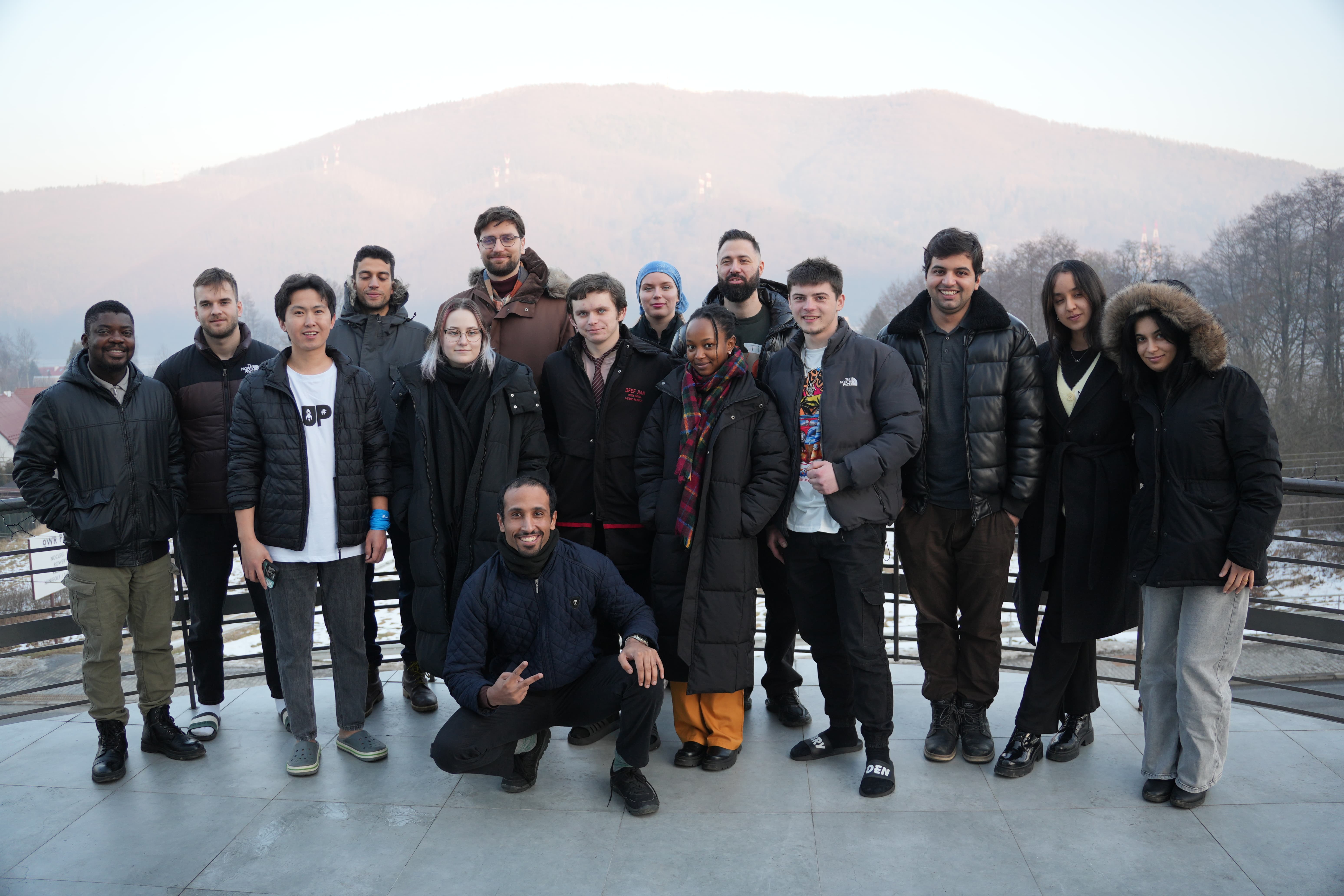
“Future Makers” is an intensive training course where participants explored real-world applications of artificial intelligence, learned how to use AI tools safely and ethically, and created practical materials and prototypes that support educational activities and the everyday work of NGOs.
About the project
The core ambition of the training was a mindset shift: from being a passive user of technology to becoming a confident creator of solutions powered by generative AI (GenAI). Participants learned how to select the right tools, design reliable processes, and translate ideas into real outputs that can be applied in education, youth work, and NGO operations.
The course combined integration and teamwork with intensive hands-on practice. Participants tested how AI can support learning, research, communication, and prototyping—while keeping human judgement at the centre of every decision.
A major focus was critical analysis and responsible use. Participants explored how language models work, why AI may produce “hallucinations,” and how to verify outputs with practical fact-checking routines. We also addressed risks that matter in youth work: misinformation, deepfakes, and the influence of AI tools on independent thinking.
Throughout the training, AI was framed as a productivity catalyst—supporting people and strengthening workflows rather than replacing soft skills, values, or accountability.
What participants learned
AI literacy & critical verification
Participants gained a clear understanding of how GenAI tools generate responses and where errors can come from.
- Recognising AI “hallucinations” and typical failure modes (missing context, fabricated sources, overconfidence).
- Building a simple verification workflow: triangulation, source checking, and consistency tests.
- Evaluating credibility and spotting manipulation, including deepfakes and misleading narratives.
Ethics, safety & responsible use
Participants practiced applying ethical principles to real scenarios from education and youth work.
- Setting boundaries: what can be delegated to AI and what must remain a human decision.
- Protecting privacy and sensitive data when using AI tools in organisations.
- Using AI as a support for productivity—without weakening independent thinking or human relationships.
Hands-on creation & workflow design
Participants learned to connect tools into a repeatable “idea-to-output” process.
- Knowledge management with NotebookLM: structuring materials and producing fast, accurate summaries.
- Prototyping websites/apps in Lovable to understand system logic without advanced coding.
- Content creation workflows (audio, video, visuals) for campaigns and social media communication.
Gallery
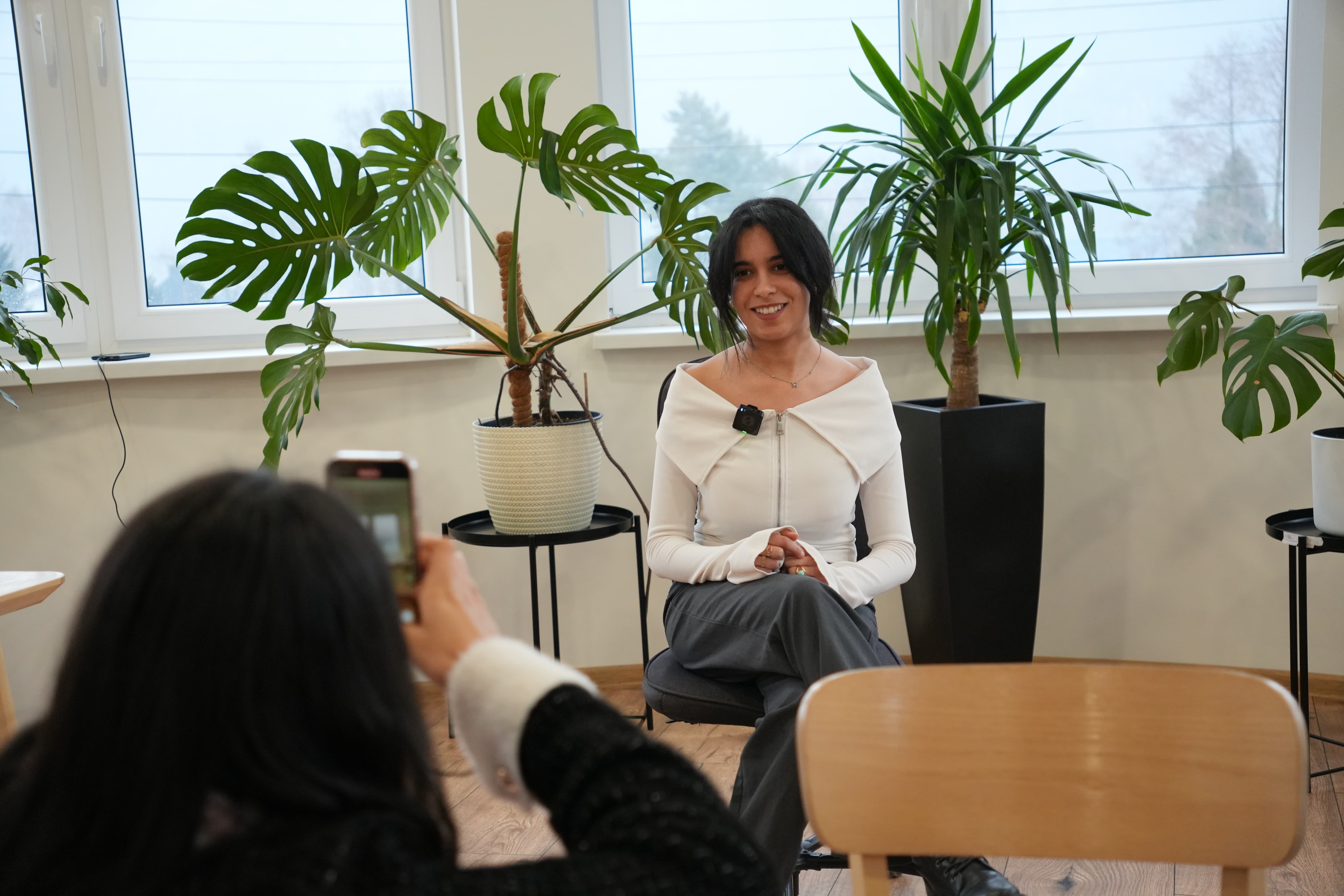
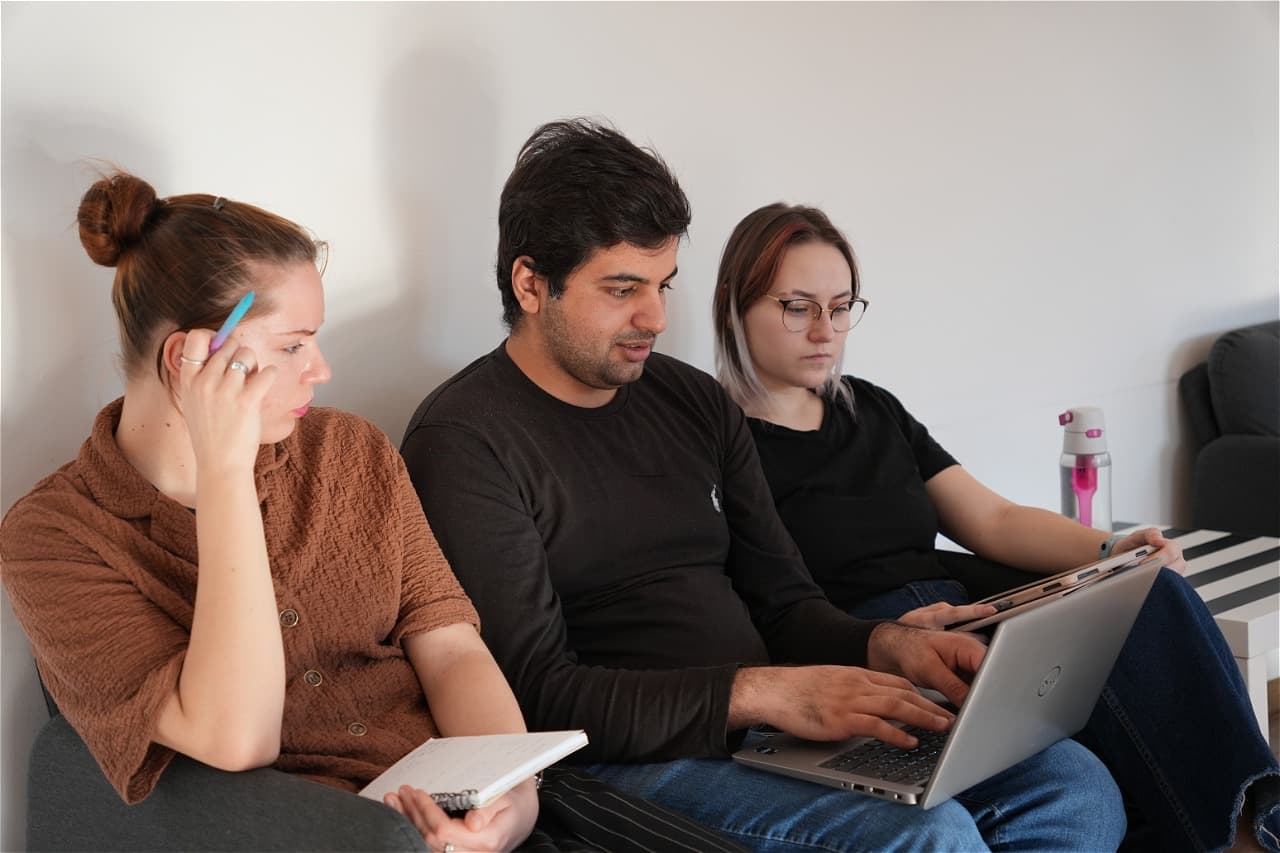
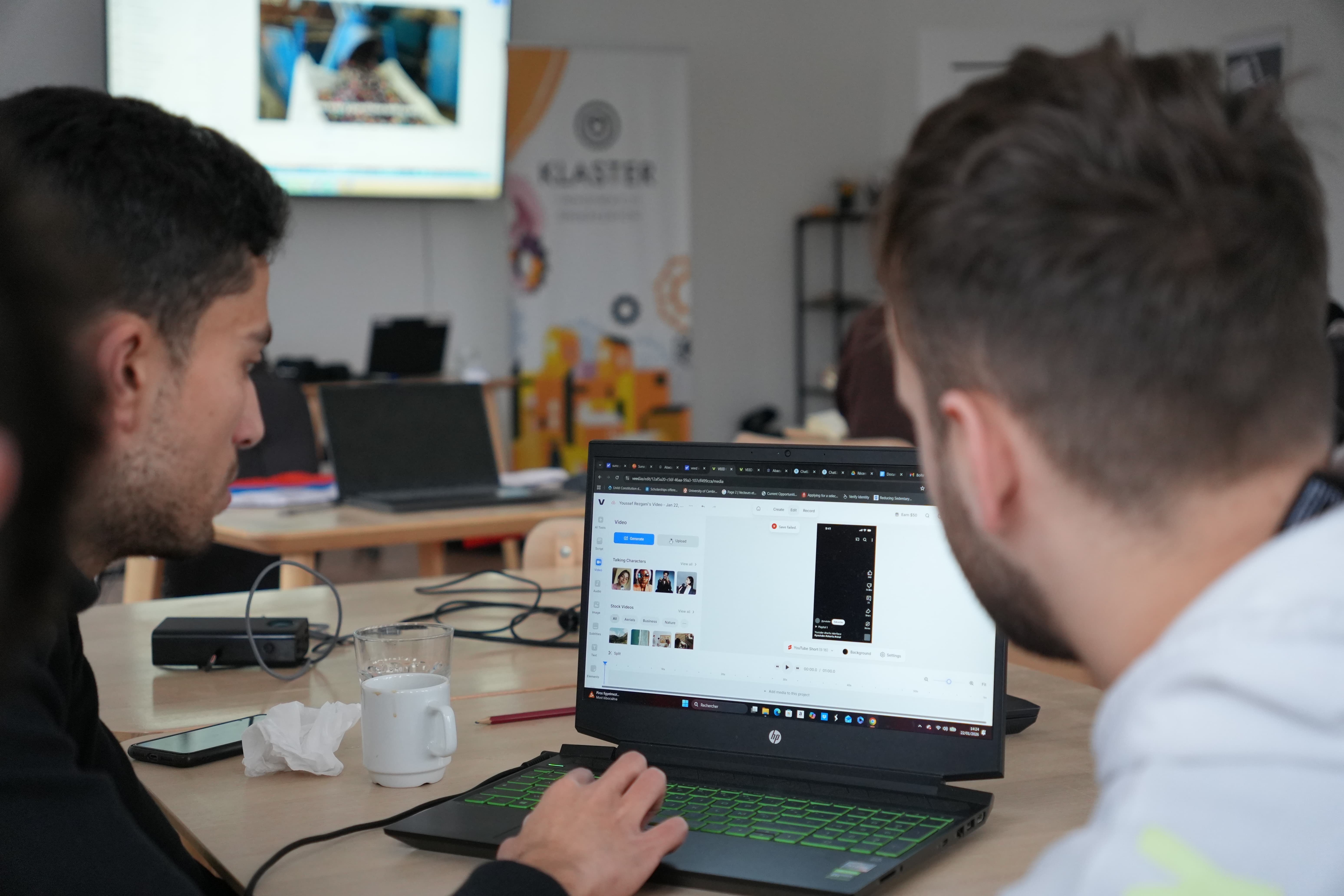
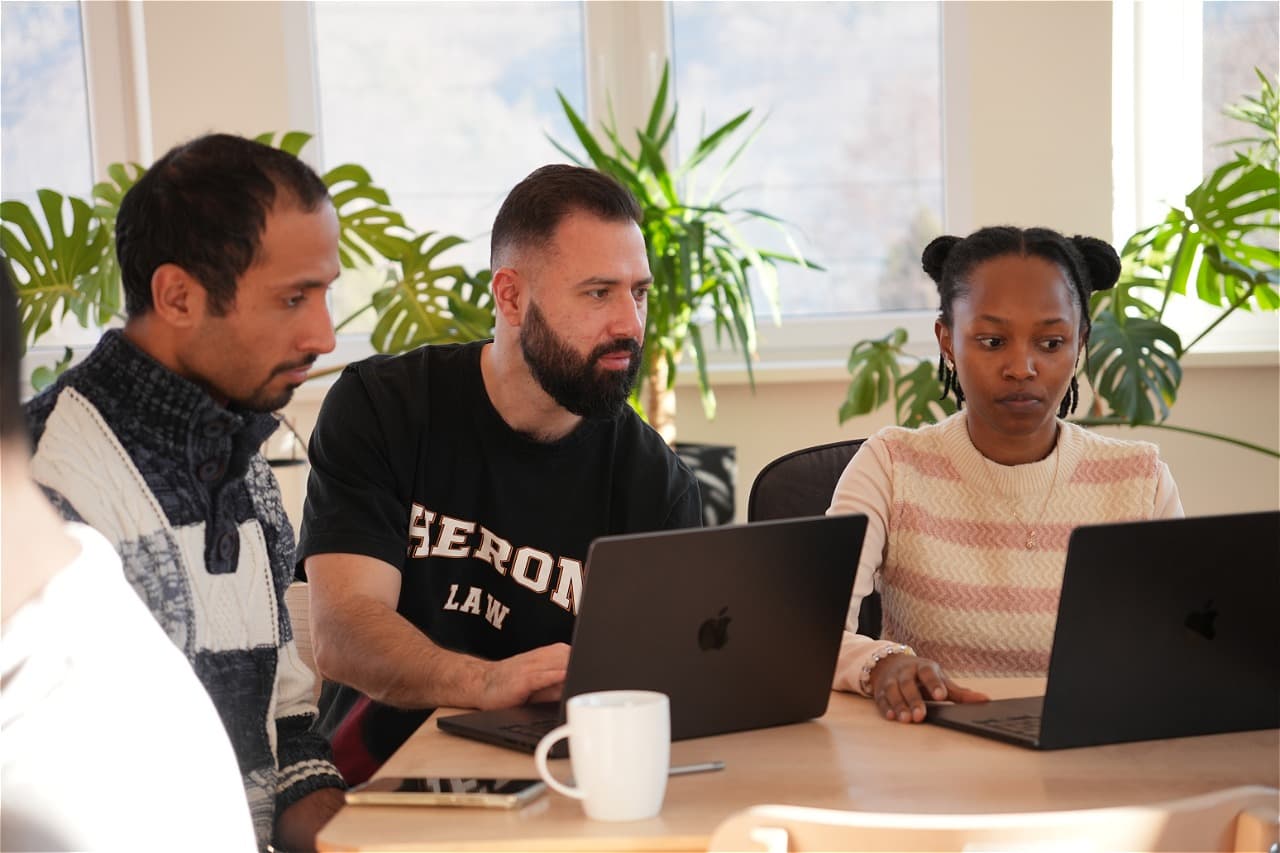
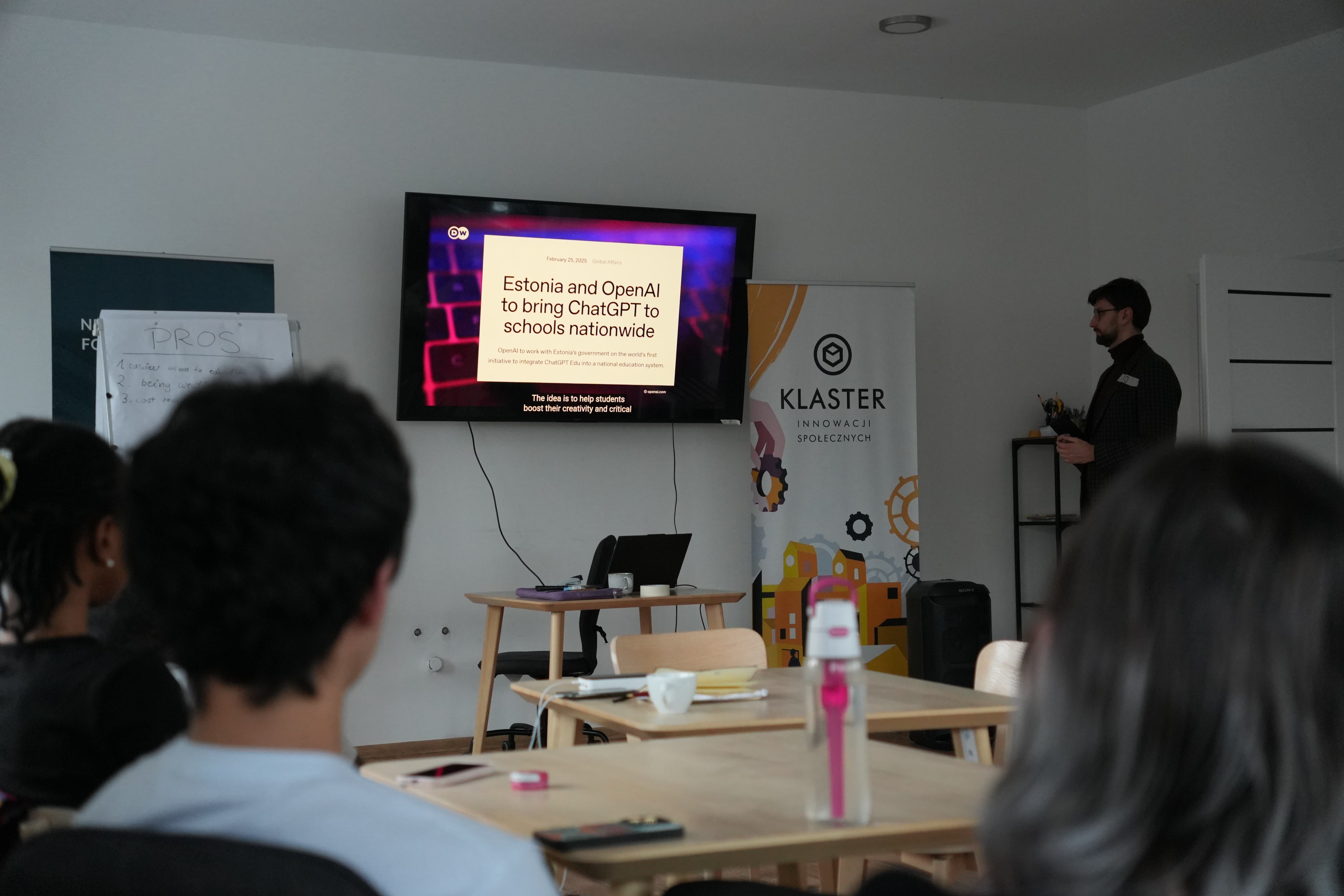
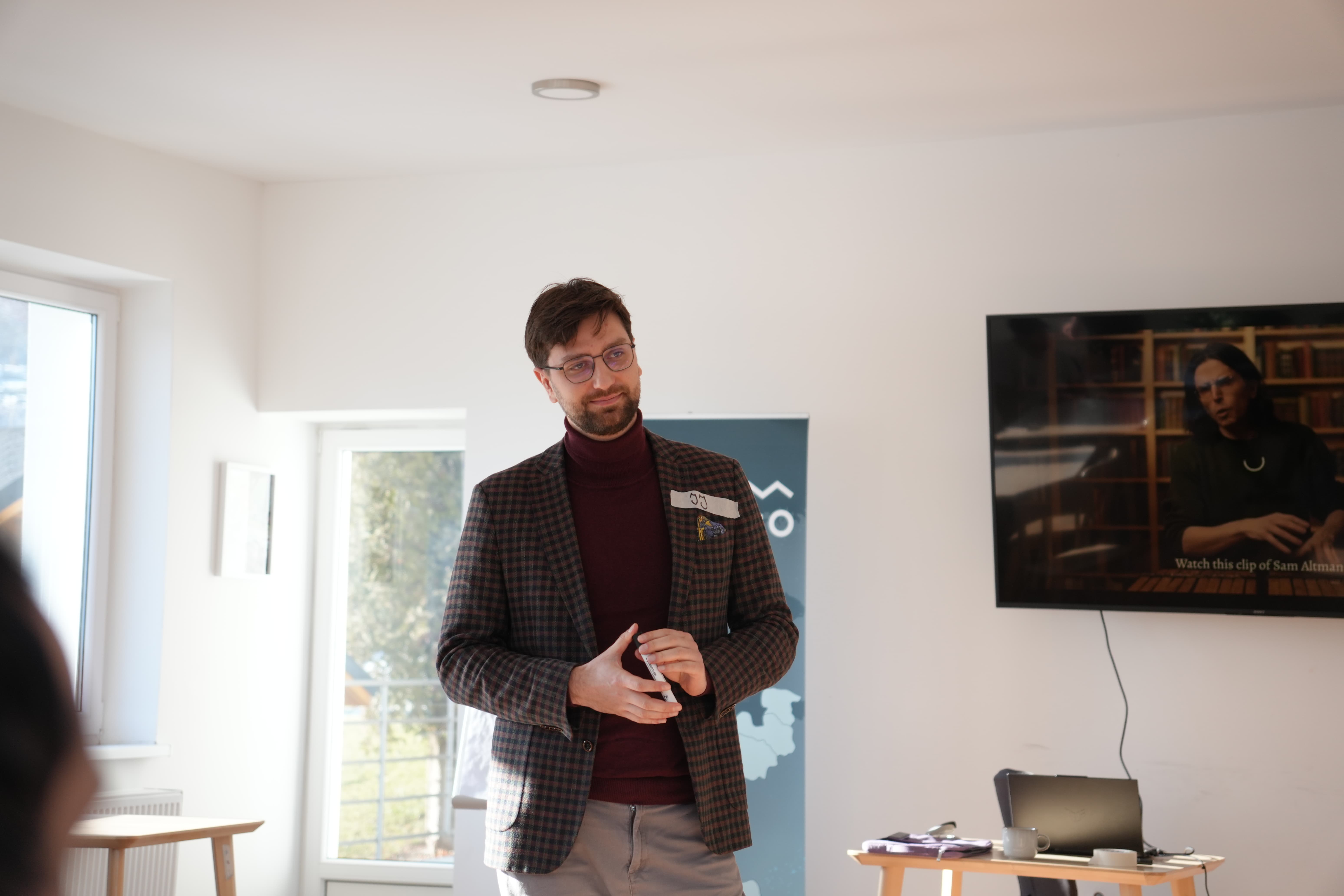
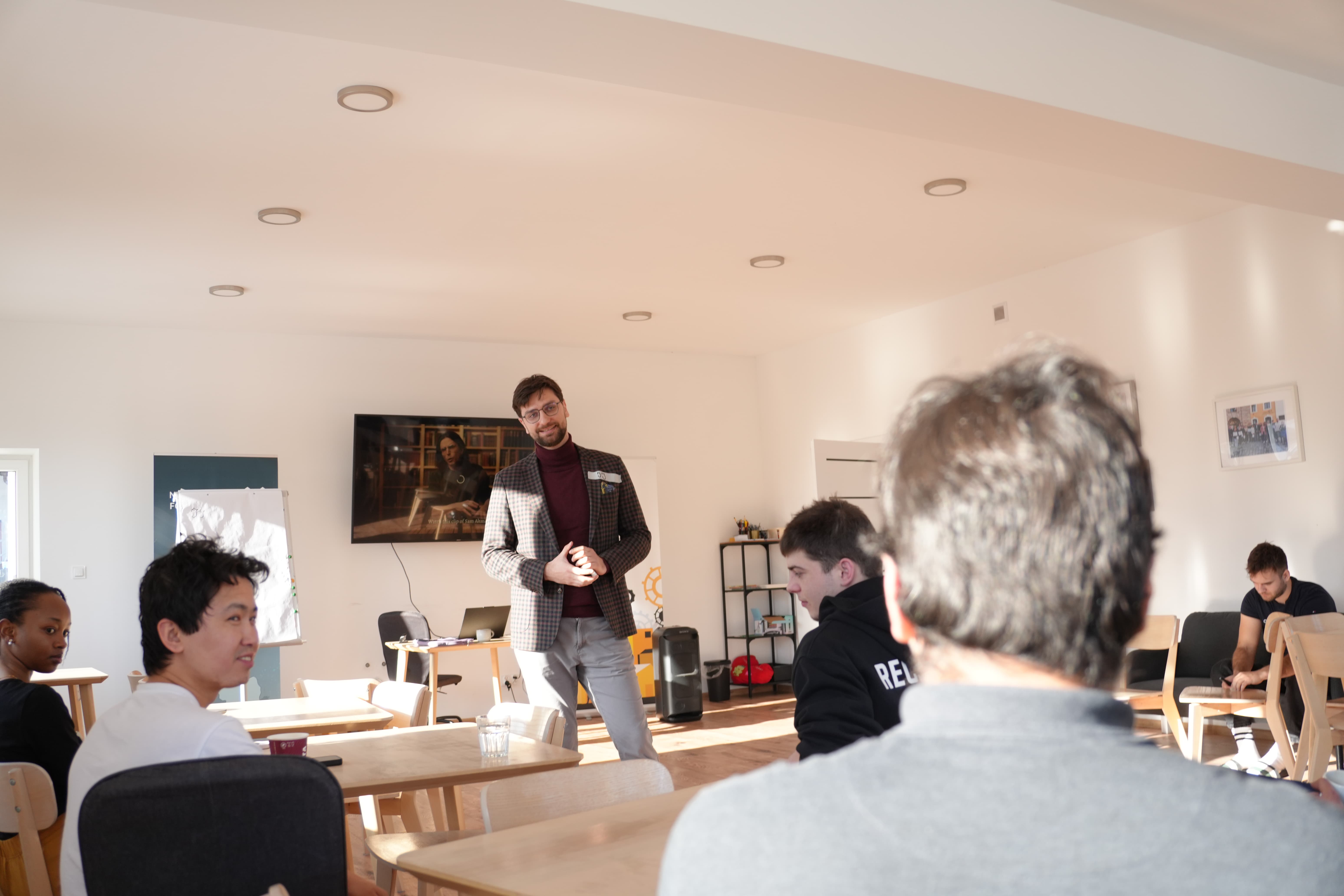
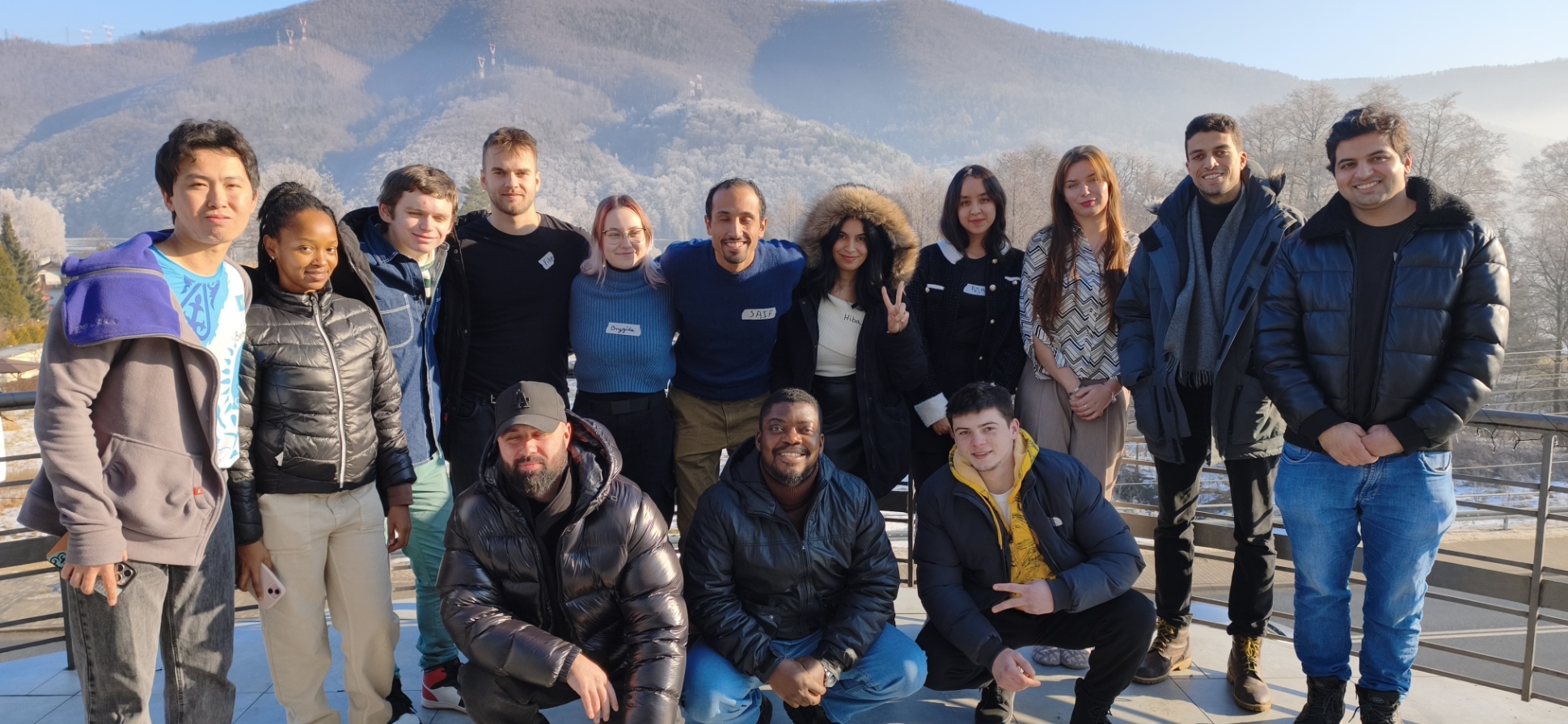
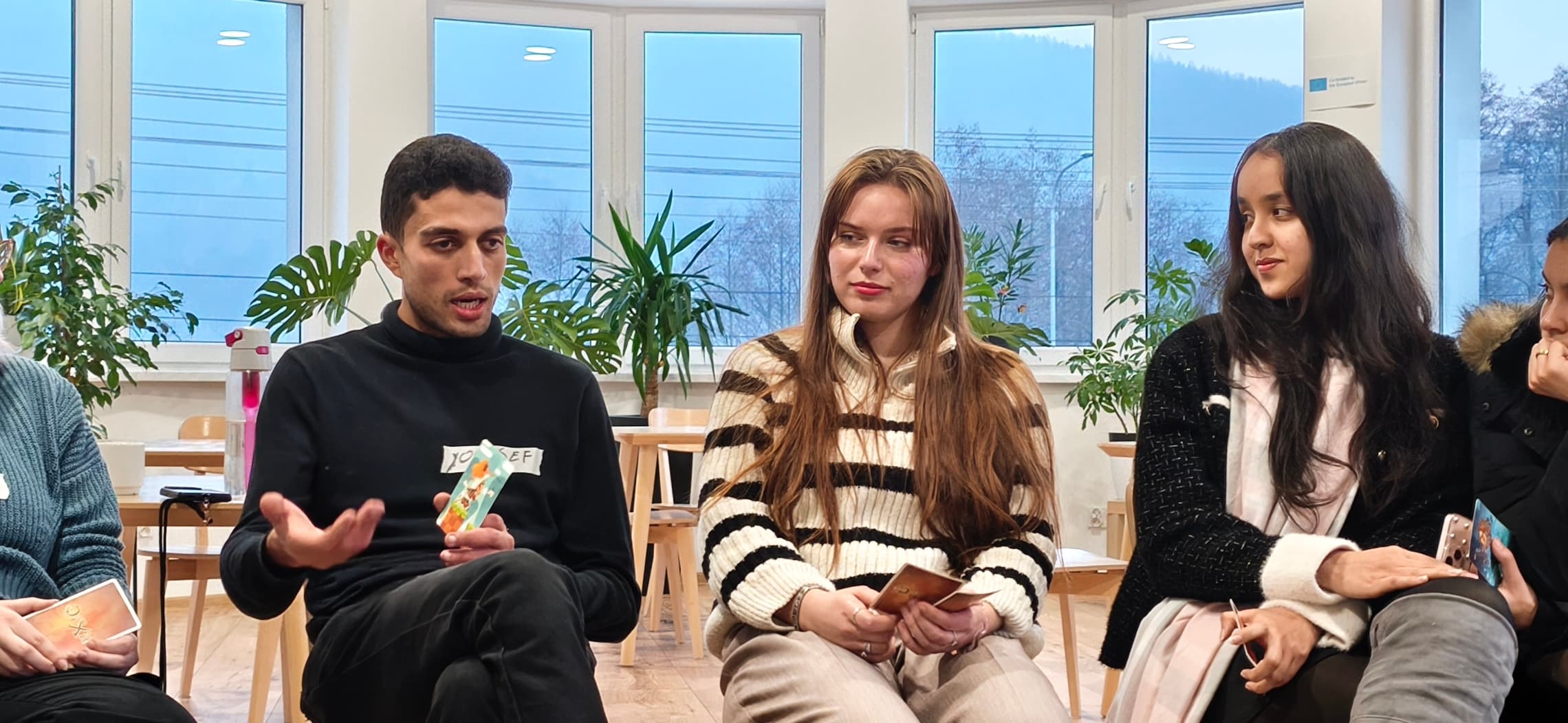
Selected moments from the training (scroll sideways to see more):
Project outcomes
The project delivered tangible outputs created by participants with AI-supported workflows—prototypes, visual materials, and short-form videos. Each result demonstrates how AI can reduce technical barriers and help teams move faster from concept to publication.
Website prototypes (Lovable)
Participants built functional web prototypes in Lovable, learning how to translate a concept into a working page structure, content, and interaction without advanced programming. The prototypes show rapid “idea-to-prototype” execution and serve as a base for future educational or NGO projects.
Visual assets
A set of visual materials was created to support communication and social media storytelling. Participants practiced building consistent, clear assets that can be used in campaigns, presentations, and youth-focused messaging—while applying responsible prompts and verification of details.
Short-form videos (YouTube Shorts)
Participants produced short videos using an AI-supported workflow: planning the narrative, creating/adding voiceovers, editing, and preparing captions. These outputs demonstrate practical content pipelines that can be reused by NGOs to communicate impact quickly and professionally.
 Co-Funded by the European Union.
Views and opinions expressed are however those of the author(s) only and do not necessarily reflect those of the European Union or the Foundation for the Development of the Education System (FRSE).
Neither the European Union nor FRSE can be held responsible for them.
Co-Funded by the European Union.
Views and opinions expressed are however those of the author(s) only and do not necessarily reflect those of the European Union or the Foundation for the Development of the Education System (FRSE).
Neither the European Union nor FRSE can be held responsible for them.